Traditional Warm Soft Lights for every single Season: Permanent Illumination That Never Ever Goes Out of Design
There is a reason warm, soft outside lighting has stayed appropriate while numerous home fads have burned bright and faded quickly. It flatters architecture, it makes individuals really feel welcome, and it functions equally as well on a peaceful Tuesday in March as it does on a cheery December evening. Excellent illumination does not need to scream. In fact, the most enduring illumination plans seldom do.
That is specifically why extra home owners are moving toward Permanent Holiday Lights that are subtle sufficient for daily use, yet versatile sufficient to celebrate the entire calendar. The best systems do not turn a home right into a signboard. They put right into the roofline, go away in daytime, and come to life after sundown with a gentle warmth that feels deliberate instead of flashy.
After seeing a large range of setups on colonials, cottages, hill homes, modern farmhouses, and clean-lined modern builds, one factor maintains proving itself: traditional cozy soft lights are the most safe long-lasting option for homeowners that appreciate aesthetic charm. They mature well. They fit much more architectural styles. They are simpler to cope with. And when mounted effectively, they can supply year-round environment without the yearly ladder routine.
Why cozy soft light keeps winning
A home has its very own visual language. Block reflects light in different ways than painted fiber concrete. All-natural stone absorbs some tones and exaggerates others. Dark trim can hone comparison, while cream or off-white fascia has a tendency to diffuse it. Versus all those variables, a warm color temperature level normally acts predictably and gracefully.
Cool white can look crisp on some contemporary homes, yet it can additionally really feel sterilized or extreme. Saturated shades are enjoyable for periodic use, though they can swiftly overpower traditional architecture. Warm white, specifically in the soft array many individuals connect with traditional incandescent holiday strands, often tends to enhance as opposed to contend. It highlights shape. It gives deepness to eaves and peaks. It draws out texture in wood, stonework, and landscaping.
There is likewise a useful side to this choice. Home owners commonly start their search believing primarily regarding the vacations, after that realize they will be seeing these lights all year. What looks interesting in a December item demonstration may really feel also extreme in April. A warmer, softer setup prevents that issue. It supplies sufficient presence to make the home look polished after dark, however not a lot that next-door neighbors seem like they require sunglasses to walk the dog.
In areas with strict building criteria or informal expectations regarding restraint, this matters. Long-term lighting functions best when it really feels incorporated into the residential or commercial property, not layered on top of it. Cozy light assists produce that effect.
Permanent lighting has matured
Early variations of irreversible roofline lighting typically looked specifically like what they were, a retrofit. Visible tracks, bulky real estates, and obvious spacing made some systems feel more business than property. That has changed. Better channel design, lower-profile real estates, and cleaner placing approaches suggest a high quality Permanent LED Illumination Setup can just about disappear throughout the day.
That daytime invisibility is among the greatest reasons irreversible systems now interest home owners who previously would not have considered them. If the hardware is very discreet and the nighttime light is fine-tuned, the arrangement quits feeling seasonal and starts operating extra like architectural lighting.
The innovation has matured in an additional vital way: control. The majority of irreversible systems currently allow different scenes, dimming, timers, and color adjustments. That flexibility matters, but it can distract from an extra essential choice. The system itself may can thousands of results, yet the setting that gets utilized frequently is normally the easiest one, a reduced to tool illumination cozy white.
That pattern turns up over and over. Home owners delight in exploring in the initial couple of weeks. They check group colors on game day, patriotic themes in summertime, orange and purple in October. After that they resolve right into a favored day-to-day appearance. Most of the time, that everyday look is warm, soft, and understated.
The difference between soft and dim
These terms get blended with each other, however they are not the very same. Soft light describes the general visual impact, normally affected by color temperature level, diffusion, spacing, and illumination. Dim light simply implies reduced result. A terribly planned system can be dim and still unpleasant. A well-planned one can be reasonably brilliant and still really feel soft.
Softness originates from equilibrium. If lights are spaced as well much apart, each diode can read as an unique factor, which produces a dotted outline instead of a smooth glow. If illumination is expensive, even a cozy setting can feel sharp. If the placing area is wrong, the beam of light can spill in odd directions and highlight the hardware rather than the architecture.
This is where installation high quality matters more than many home owners expect. The very same product can look elegant on one home and uncomfortable on one more relying on positioning, angle, and shows. I have actually seen homes with outstanding hardware appearance frustrating due to the fact that the installer dealt with every roofline the exact same. I have actually likewise seen small systems look extremely polished because somebody made the effort to work with the home as opposed to against it.
What makes classic cozy soft lights really feel timeless
Timeless illumination typically shares a couple of traits. It respects the scale of your house. It highlights lines rather than obscuring them. It is intense sufficient to be noticed, but calm enough to cope with. It feels lovely in winter and believable in summer.
Classic Warm Soft Lights examine those boxes because they obtain from lighting language people currently count on. Candlelight, patio lights, old incandescent mini lights, dining establishment patio string lights at sundown, every one of these referrals reside in the cozy spectrum. They indicate comfort. They really feel acquainted. That emotional experience is part of why cozy roofline illumination hardly ever appears out of place.
The style additionally prevents an issue that impacts trendier installations: exhaustion. Lights that relies on uniqueness tends to endure individuals. What appeared interesting six months ago begins to really feel active. Classic illumination has the contrary result. It becomes part of the home, like appropriate shutters, an excellent front door shade, or mature landscape lighting.
This issues a lot more for home owners preparing to https://privatebin.net/?88919c8ace4e8675#7EfLAnKaeKvGtHbYSqzAAcGBVWjg7iMvyu8tSuhJxCwb remain in location for several years. If you are making a long-term investment, the sure thing is not the setup that gets the most attention on social media. It is the one you will still value after the fourth winter months, the seventh spring, and the tenth average weeknight when you pull into the driveway after a long day.
Every season requests for something a little different
One of the greatest advantages of Long-term Vacation Lights is not just holiday use. It is seasonal adjustment without seasonal labor. Cozy white can serve as the standard all year, then change discreetly depending on weather, landscape design, and occasion.
In winter season, warm light counters the starkness of bare trees and very early darkness. On brick homes specifically, it can make the facade feel abundant and grounded as opposed to cold. During springtime, the very same warm tone sets wonderfully with blooming trees and fresh compost beds since it does not distort natural colors. Summertime is where property owners frequently fret that permanent lights will certainly really feel unnecessary, however low-level cozy illumination can make evening outdoor areas really feel finished and inviting, specifically if the front elevation shows up from a patio area or driveway seating area. In fall, warm tones work almost easily. They sit naturally together with brownish-yellow leaves, mums, pumpkins, and darker sunsets.
The essential factor is that the light does not need to be transformed each month. The season currently transforms the state of mind. The lights just supports it. A home framed in warm soft light feels a little cozier in December, a bit extra romantic in June, and a little richer in October, even though the underlying setup may not change a lot at all.
Installation choices that form the final look
A Permanent LED Lighting Installation is among those projects where tiny technical selections have big visual effects. Home owners not surprisingly concentrate on the visible result, however the final look depends upon details that happen long before the first evening test.
Placement is just one of the very first major choices. Installing too reduced can expose the hardware and produce glare from certain angles. Installing too deep under a soffit may conceal the source a lot that the result goes away. There is generally a slim wonderful place where the illumination reveals the roofline plainly while keeping the system discreet in daylight.
Spacing issues just as much. Tighter spacing generally produces a smoother, richer line of light, but it can likewise raise cost and intensity if not programmed carefully. Wider spacing reduces cost, though it can look rough on larger exteriors or homes with lengthy continuous runs. A good installer gets used to the scale of the home as opposed to using one typical pattern to everything.
Color calibration is an additional ignored factor. Not every supplier's "warm white" looks the very same. Some lean amber, nearly candlelike. Others are closer to a soft neutral white. Neither is immediately best or wrong, however the home's products must direct the choice. Lotion trim, tan rock, cedar accents, and red block typically take advantage of a warmer tone. Bright white trim, black home windows, and minimal architecture can sometimes handle a slightly cleaner white while still continuing to be soft.
Here are the installment details worth talking about before job starts:
- Where the track or channel will certainly sit, and exactly how noticeable it will be in daylight
- How the light spacing will be adjusted for peaks, dormers, and long right runs
- Whether wiring and power supply parts will be concealed cleanly
- What cozy white range the system creates, and exactly how lowering influences that tone
- How the controls take care of daily scenes versus vacation presets
That conversation saves frustration later on. It is much easier to fine-tune assumptions before the system is mounted than after the whole roofline is complete.
The homes that benefit most from warm long-term lighting
Nearly any home can benefit from long-term roofline lighting if the layout is handled with restriction, yet some homes respond specifically well.
Traditional homes with layered rooflines commonly look lovely under warm soft illumination because the light defines their geometry without making them feel hectic. Block colonials, craftsman-style homes, and farmhouse outsides tend to get deepness and warmth. Residences with hefty landscaping also advantage, given that warm roofline light sets normally with uplighting on trees, path lights, and front entrance fixtures.
Modern homes can work too, though the technique is typically various. The secret is self-control. Tidy architecture wants clean lights. Instead of going after every feasible shade, several effective contemporary setups utilize warm or slightly warm-neutral white at lower intensity to protect the home's sharp lines.
Smaller homes may in fact get more from permanent lights than big estates, simply since range is simpler to manage. A compact front altitude outlined with soft cozy light can look customized and completed without requiring lots of components. On huge homes, balance becomes extra challenging. Overlighting is a genuine danger, and discerning illumination commonly functions better than mapping every edge.
What house owners typically obtain wrong
The most typical error is thinking brighter constantly looks far better. It does not. Outside lights needs space for darkness. Contrast is what provides it shape. If everything is totally lit, your home loses depth and the result flattens.
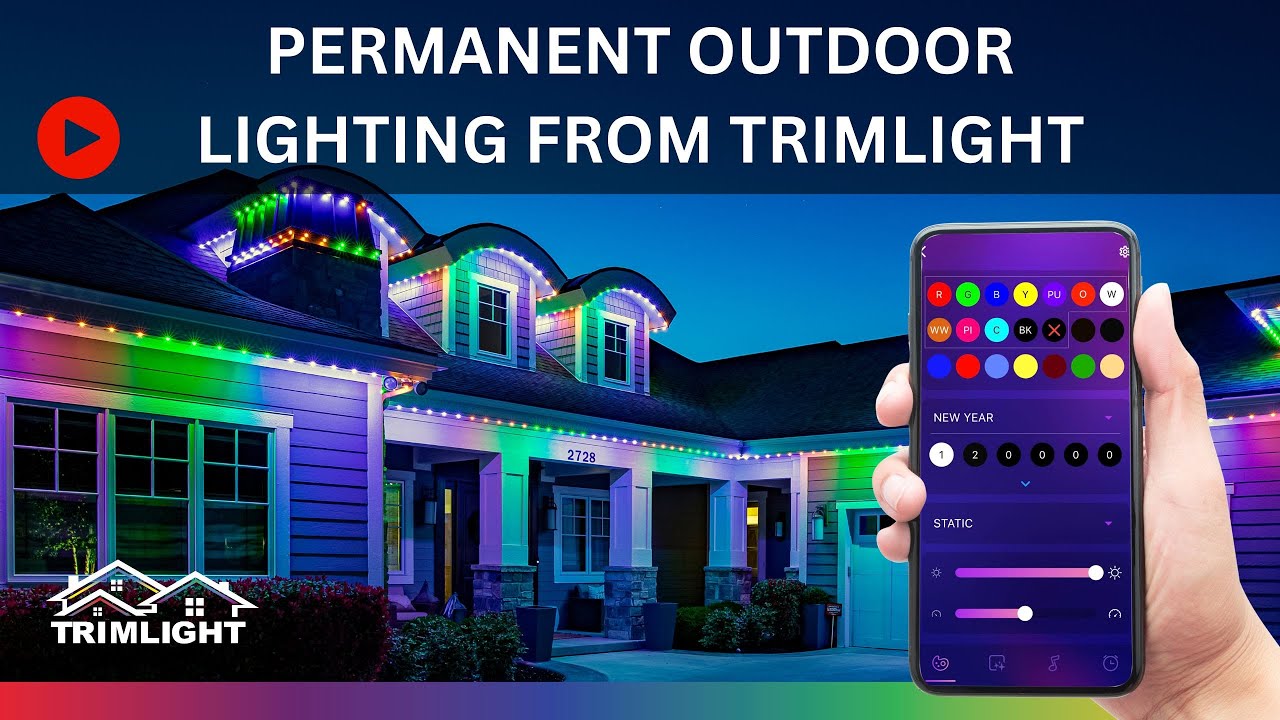
Another regular mistake is treating long-term lights as an uniqueness feature as opposed to component of the home's outside layout. That typically leads to overuse of fancy shades and motion patterns. Those options can be fun occasionally, yet they need to remain periodic. The daily setup should respect the house first.
A 3rd issue is taking too lightly the worth of expert layout input. Not every installer has a great eye, and not every homeowner needs a high-end designer, but somebody associated with the process ought to recognize percentages, proportion, and sightlines. A roofline checked out from the road acts in different ways than one seen from a limited cul-de-sac. Gables, columns, entry overhangs, and garage estimates all alter just how the light reads at night.
I bear in mind one job on a stone-front home with multiple front-facing tops. The owner initially desired every line lit up at equivalent illumination. Theoretically, that appeared balanced. In reality, the upper heights visually bewildered the reduced entry and made the garage control the composition. Reducing brightness on the tallest sections and keeping the entry line a little richer made the whole facade feel calmer and extra pricey. Very same residence, very same item, better judgment.
Maintenance is lighter than people anticipate, yet not zero
One reason property owners choose Permanent Vacation Lighting is to retire the annual routine of carrying out extension cords, changing clips, and running the risk of a cold-weather ladder climb. That alone is a solid debate. Long-term systems minimize seasonal problem dramatically.
Still, "permanent" does not indicate "never ever consider it once again." Outside systems live outdoors. Dust, plant pollen, windblown debris, pests, and weather all take their turn. In the majority of climates, the maintenance is simple: occasional visual checks, app updates if the controller utilizes them, and cleaning up only if noticeable build-up affects look. In harsher environments with heavy freeze-thaw cycles, intense sun direct exposure, or seaside salt air, it is smart to check places and connections periodically.
The system's durability commonly depends much less on the LEDs themselves and a lot more on the high quality of the mount. Secure fastening, correct securing, thoughtful cable management, and correctly sized power parts all matter. A clean installation generally stays clean. A hurried one tends to disclose itself within the very first year.
Cost, value, and where the money actually goes
Pricing differs extensively based on home size, roofline complexity, product tier, and installer experience. A simple single-story run is clearly different from a multi-gable two-story facade with removed garage accents. That claimed, property owners should think about worth in terms more comprehensive than seasonal decor.
An excellent irreversible lights system does at the very least 3 tasks. It changes recurring holiday configuration labor, it improves everyday visual allure, and it includes a layer of usable outside ambiance for enjoyable or basic evening enjoyment. Those benefits are difficult to assign an ideal dollar figure to, but they are real.
The expense distinction between a sub-par and a polished setup is commonly smaller than the aesthetic difference. That is why it pays to focus on the things that are hardest to take care of later on: product integrity, subtle daytime appearance, and installer ability. Fancy app attributes are nice. A system that looks exactly on your home is better.
Choosing a look you will certainly still like years from now
If you are trying to decide which direction to take, begin with how you desire your home to feel instead of what the system can do. Most property owners are not truly looking for spectacle every evening. They desire the property to really feel inviting, took care of, and silently distinctive.
That is where classic warm soft lights succeed. They make the front altitude look ended up. They support every period without requiring attention. They can turn a basic roofline into a graceful overview and a complicated facade into something extra coherent after dark.
Before you dedicate, it aids to keep a couple of practical standards in mind:
- Choose a warm white setup you would certainly enjoy to use 80 percent of the year
- Favor lower brightness than your initial instinct, specifically on smaller sized homes
- Ask for mockups or instances on homes with products similar to your own
- Treat unique shades as occasional accents, not the layout structure
- Invest in the installer's judgment, not simply the product sales brochure
That method normally causes an outcome that really feels elevated instead of gimmicky.
A permanent lighting system should not secure a home right into one holiday mood or one style age. It ought to provide the home a graceful nighttime identity that can adapt when required and decline when it should. Warm, soft lighting does that better than virtually any type of other strategy. It really feels cleared up. It feels willful. Above all, it feels like it belongs.
And that is the quiet stamina of a classic outside upgrade. Years from currently, after patterns shift and uniqueness discolors, a home outlined in mild warm light will still look exactly right.